Tips for a “good” breakfast

Tips for a “good” breakfast? “Tell me what you eat and I’ll tell you who you are” is a saying that also applies to breakfast. Especially since many people agree that it is the most important meal of the day! Breakfast provides our body with the energy it needs to start the day off right.
Many people tend to skip this first meal without realising that doing so slows down their metabolism, encouraging them to consume more calories during the rest of the day. Breakfast also boosts vitality and improves physical and mental performance.
With this in mind, here are some tips on how to eat a tasty and healthy breakfast.
Morning energy
It is not enough to eat just any food for breakfast; you need to consume about 30% of your daily calorie requirement. The energy provided by this meal is used throughout the day, which is why it is important to eat foods that provide the nutrients and vitamins that are essential for our body.
The ideal time
There is never enough time in the morning, but don’t limit yourself to just a cup of coffee. There are simple, quick and tasty ways to have a quick breakfast, from Greek yoghurt with fruit to savoury toast.
The perfect time
In reality, there is no perfect time for breakfast, but you should not wait too long after getting up. Ideally, you should eat breakfast within an hour of waking up. A late breakfast makes you hungrier, leading you to eat more than you should.
Carbohydrates
A recent study has shown that people who eat carbohydrates for breakfast consume fewer calories during the day, promoting weight loss. However, we are not talking about fatty or sweet foods, but rather the carbohydrates found in cereals, wholemeal bread, fruit and vegetables, ingredients that are filling and beneficial.
Protein
Protein should also always be included in a healthy breakfast, as it is filling and a source of amino acids, as well as improving digestion. You can choose skimmed dairy products, eggs or lean meat.
Fats
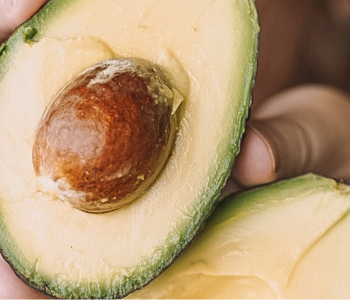
Many people think that including fats in breakfast is unhealthy, but in reality, the body needs “good” fats to function at its best. The fats you need are found in olive oil, coconut oil, avocados, nuts and seeds.
Fibre
This is a nutrient that should always be included in your diet as it optimises digestion and improves weight control. Fibre keeps you feeling full for longer and prevents you from consuming calories during the day. It is found in vegetables, nuts, apples, peaches and bread.
What are the risks of eating the wrong breakfast?
Not eating breakfast increases hunger during the day, and eating more food than you should slows down your metabolism and makes digestion more difficult. A nutritious and balanced breakfast allows the body to stay healthy.
Mistakes to avoid at breakfast
Here are the mistakes to avoid when you wake up:
- Skipping breakfast: try setting your alarm a little earlier to allow a few minutes to prepare a healthy breakfast, to be eaten at the table, preferably in company.
- Eating a poor breakfast. Eating a piece of fruit and two biscuits in a hurry is not healthy. For a “good” breakfast, we recommend combining fruit with yoghurt, wholemeal cereals and homemade jam with a low sugar content.
- Eating foods high in sugar. You don't have to give up a croissant or a slice of cake. However, try to limit yourself to once in a while. Eating foods rich in sugar for breakfast causes your blood sugar levels to rise and fall rapidly, making you feel hungry again. Choose industrial fruit juices carefully, as they are rich in added sugars, which ensure long-term preservation.What should be included in your breakfast
In reality, you can choose your breakfast foods based on your preferences and daily routine. However, as a general rule, here are some foods that you should try to include in your breakfast:
- Whole grains: oat flakes, to be eaten raw or cooked. If you want to eat bread, it is best to choose wholemeal, spelt or rye bread.
- Plant-based drinks: made from oats, rice, spelt, etc.
- Easily digestible dairy products: yoghurt, kefir, fresh cheese.
- Natural dried fruit: provides energy throughout the day. Choose from figs, dates, prunes, and raisins.
- Nuts: raw, chopped, or ground. They provide vegetable protein.
- Fresh fruit: whole, chopped, blended, seasoned with a little sugar and lemon.
- Natural juices: fruit and vegetable. To be consumed without added sugar. You can also choose frozen citrus juices or fruit purées.Finally, here are some examples of breakfasts that contain all the necessary nutrients for a good, healthy start to the day.
- Fresh or frozen fruit smoothie with natural orange juice
- Apples, raisins, walnuts and yoghurt
- Mandarin juice, muesli and kefir
- Ricotta cheese, honey, chopped hazelnuts and sliced banana
- Toast with avocado and pink grapefruit juiceDiscover our range of citrus juices and fruit purées